메트로人 머니 산업 IT·과학 정치&정책 생활경제 사회 에듀&JOB 기획연재 오피니언 라이프 CEO와칭 플러스
글로벌 메트로신문
로그인
회원가입

    머니

  • 증권
  • 은행
  • 보험
  • 카드
  • 부동산
  • 경제일반

    산업

  • 재계
  • 자동차
  • 전기전자
  • 물류항공
  • 산업일반

    IT·과학

  • 인터넷
  • 게임
  • 방송통신
  • IT·과학일반

    사회

  • 지방행정
  • 국제
  • 사회일반

    플러스

  • 한줄뉴스
  • 포토
  • 영상
  • 운세/사주
메트로신문
기사사진
Jeong Cheol-dong, CEO of LG Display, Unveils AI-Optimized Panel for the Era… "We Will Achieve Results This Year"

Jeong Cheol-dong, CEO of LG Display, unveiled the 4th generation organic light-emitting diode (OLED) TV panel, which maximizes the performance of artificial intelligence (AI) TVs. Additionally, CEO Jeong presented "J·U·M·P" as the key management word for this year, aiming for a leap forward. As AI TVs, which are now capable of delivering ultra-high-definition resolutions of up to 8K, continue to be released, the panels are designed to provide both high brightness and energy efficiency. Through this, LG Display plans to actively target the premium TV market this year. ◆ "Achieving Turnaround This Year Through Advancement of OLED Business" On the 16th, during the '4th Generation Large OLED New Technology Briefing' held at LG Science Park in Magok, Seoul, CEO Jeong stated, "If we laid the foundation for a reversal last year, this year will be the year of leap forward, and we will give it our all." He said, "We will continuously create differentiated value in technology, cost, and production to establish the foundation for winning in the competition," and added, "We are currently in the process of selling our LCD plant in Guangzhou, and we will focus on the OLED business to enhance our competitiveness and lead the market." Earlier, LG Display announced through a sales or profit structure change disclosure that its consolidated annual revenue for last year was 26.6153 trillion won, with an operating loss of 5.606 billion won. Revenue increased by 25% compared to the previous year (21.3308 trillion won), and the operating loss was reduced by about 2 trillion won compared to the previous year's loss of 25.102 trillion won. Building on this performance improvement, LG Display aims to enhance its business structure centered on OLED technology this year, with the goal of generating significant results. He presented "JUMP" as the key management word for this year to signify a leap forward. JUMP stands for: ▲Just in time (for true change at the right time) ▲Unique value (differentiated value unique to LG Display) ▲Market leadership (leading the market with OLED) ▲Partnership (a partner that customers trust and can grow with). These meanings are derived from the first letters of the word "JUMP." However, CEO Jeong acknowledged that the business environment this year is expected to be challenging. ◆ "AI TV Optimization" Unveiling of 4th Generation OLED Panel On this day, LG Display unveiled the 4th generation OLED TV panel optimized for the AI TV era. LG Display's 4th generation OLED TV panel achieves a maximum brightness of 4,000 nits (with 1 nit equivalent to the brightness of a single candle). This is the highest level of brightness in the industry. The higher the brightness, the more vivid the visual expression, which is why brightness is considered a key element in image quality by industry experts. The most notable aspect of the newly unveiled 4th generation OLED TV panel is the implementation of the "Primary RGB Tandem" structure. This unique technology by LG Display involves independently stacking RGB (red, green, blue) elements to emit light, a proprietary technology exclusive to LG Display. Previously, the company used a three-layer structure for the light source, stacking two layers of blue elements with red, green, and yellow elements placed in one layer. However, this time, an additional layer was added to this technology, increasing the amount of light produced. The light source now consists of four layers: two blue element layers and independently stacked red and green element layers. This enhancement has allowed LG Display to achieve a color brightness of 2,100 nits, a 40% improvement compared to the previous generation's 1,500 nits, thereby enhancing color expression. In addition, energy efficiency was maximized to accommodate the increased power consumption of AI TVs. By improving the element structure and power supply system, the panel's temperature was successfully reduced, resulting in about a 20% improvement in energy efficiency (based on a 65-inch panel) compared to previous models. LG Display also applied a special film that blocks 99% of the light reflected from the panel surface and the light absorbed into the panel and then reflected. This technology enables perfect blacks without light reflections, even in a living room during the day, providing an experience similar to watching a movie in a darkened theater. LG Display's strategy this year is to solidify its position in the premium TV market by equipping its highest-end lineup with the 4th generation OLED TV panel. The company also plans to sequentially apply the Primary RGB Tandem technology used in the 4th generation OLED TV panels to its gaming OLED panels. ChatGPT를 사용하여 번역한 기사입니다.

2025-01-16 16:15:44 메트로신문 기자
기사사진
BYD Targets the Korean Market with the 'Value-for-Money' Small SUV Atto 3… Will It Surpass Kona Electric and EV3?

On the 16th, at the media event for the launch of the Chinese BYD passenger vehicle brand held at SangSang Platform in Jung-gu, Incheon, Liu Xueliang, General Manager of BYD's Sales Division for the Asia-Pacific region, introduced the brand. / Reporter Yang Seong-woon 4o mini China's top electric vehicle (EV) manufacturer, BYD, is targeting the Korean electric passenger vehicle market with its "value-for-money" models. This move is expected to increase the burden on the domestic automotive industry, which is already experiencing a downturn due to the EV "chasm" (temporary stagnation in demand) and "phobia" (fear) affecting the market. BYD Korea held its brand launch event on the 16th at the SangSang Platform in Jung-gu, Incheon, where it revealed its business strategy and new car launch plans. BYD Korea plans to sell three models this year, starting with the small electric SUV, the Atto 3, priced in the low 30 million won range, followed by the electric sedan 'SEAL' and the 'Sealion 7'. Liu Xueliang, the general manager responsible for BYD sales in the Asia-Pacific region, stated, "Since 2016, BYD has built a relationship with Korean consumers through electric buses, electric trucks, and electric forklifts over the past decade." He added, "Rather than focusing immediately on sales targets, we will prioritize expanding customer brand experiences." BYD Korea's strategy is to raise product awareness in the Korean market through customer experiences and communication, rather than aggressively increasing sales volume. To achieve this, BYD Korea plans to sequentially open 15 showrooms and 11 service centers in major regions and cities across the country, from Seoul to Jeju, in collaboration with six official dealers, including DT Networks, Samchunri EV, and Harmony Automobiles. Liu Xueliang, the general manager, stated, "We will focus on customer convenience and the healthy growth of our dealer partners as we expand our network strategy." He added, "Our goal is for BYD stores to become places that all influencers must visit at least once." The Atto 3, which BYD Korea is debuting in South Korea, is a model that has sold over 1 million units worldwide, including China, since its launch in 2022. It uses BYD's LFP-based Blade battery, providing a driving range of 321 km on a single charge under combined conditions. The vehicle is equipped with convenience features such as a panoramic sunroof and V2L (Vehicle-to-Load) functionality. The performance-oriented mid-size electric sedan BYD SEAL (from left), the small electric SUV BYD Atto 3, and the mid-size electric SUV BYD Sealion 7. 4o mini To cater to the preferences and convenience of Korean customers, the Atto 3 has been equipped with Korea-specific features and services, including Tmap Mobility services and the domestic music platform FLO. The price for the basic model starts at 31.5 million won, while the higher-end model, Atto 3 Plus, is priced at 33.3 million won. With government subsidies applied, the actual consumer purchase price of the Atto 3 is expected to be in the low 20 million won range. The domestic electric vehicles that will compete with the Atto 3 are likely to be Hyundai's Kona Electric and Kia's EV3. The Kona Electric starts at 41.42 million won for the standard model and 45.66 million won for the long-range version, while the Kia EV3 starts at 39.95 million won for the standard model and 44.15 million won for the long-range version. Even with government subsidies, both vehicles will remain in the 30 million won range, which puts them at a disadvantage in terms of price competitiveness against the Atto 3. Jo In-cheol, CEO of the Passenger Vehicle Division at BYD Korea, stated, "Depending on the region, the Atto 3 will likely be available for purchase in the low 20 million won range with the subsidy applied." He added, "The exact subsidy amount will be confirmed at the time of customer delivery." While BYD sold 4.27 million eco-friendly vehicles worldwide in 2022, maintaining its position as the global leader in eco-friendly vehicle sales for three consecutive years, overcoming the negative perception of Chinese-made electric vehicles among domestic consumers remains a challenge. CEO Jo In-cheol stated, "BYD's Blade battery is the best in the world in terms of safety," and added, "Regarding user information protection, we have made efforts to ensure that personal data does not leak to China by using servers located in South Korea." Meanwhile, to celebrate its brand launch, BYD Korea will offer a 500,000 won worth of electric vehicle charging credit to the first 1,000 customers who sign a contract. Additionally, from January 19 to February 2, BYD Korea will operate a two-week public exhibition at the SangSang Platform in Incheon. Visitors will have the opportunity to experience BYD electric vehicles and consult with dealers at dedicated consultation zones. ChatGPT를 사용하여 번역한 기사입니다.

2025-01-16 16:05:42 메트로신문 기자
기사사진
Asiana Airlines appoints Song Bo-young as the new CEO… First interim shareholders' meeting after the integration.

Asiana Airlines held its first shareholders' meeting following its merger with Korean Air and appointed new board members. With this, Korean Air and Asiana Airlines have completed preparations to take off as a new integrated airline. On the 16th, Asiana Airlines held a shareholders' meeting at its headquarters in Gangseo-gu, Seoul, to appoint inside directors. With the approval of this agenda, CEO Song Bo-young and Vice Presidents Cho Sung-bae and Kang Doo-seok were appointed as new inside directors. Outside directors appointed include Jang Min, Senior Research Fellow at the Korea Financial Research Institute, Choi Jun-seon, Honorary Professor at the School of Law, Sungkyunkwan University, and Kim Hyun-jung, Lawyer at the law firm Tomorrow Partners. The newly appointed CEO, Song Bo-young, joined Korean Air in 1988 and has been recognized as an aviation expert with experience in various roles, including Head of the Passenger Business Division at the Korea Regional Headquarters, Moscow Branch Manager, and Head of the Americas Region. CEO Song is seen as the right person to lead the task of integrating "Korean Air's DNA" into Asiana Airlines, drawing on his expertise in the airline industry and passenger sales. The newly appointed Vice Presidents, Cho Sung-bae and Kang Doo-seok, both held senior positions at Korean Air, with Cho overseeing the Materials and Facilities Division and Kang serving as the Head of Human Resources. Senior Research Fellow Jang Min is a finance expert, Honorary Professor Choi Jun-seon is a prominent scholar and an opinion leader in Korean society, and Lawyer Kim Hyun-jung is a legal professional. As of the shareholders' meeting, Asiana Airlines had a total of 146,289 shareholders and 200,599,711 issued shares. Approximately 168,832,669 shares (81.96%) were voted, fulfilling the quorum required for the meeting. A total of 218 shareholders participated in person. At the shareholders' meeting, Asiana Airlines CEO Won Yoo-seok served as the chairman. It is reported that CEO Won, who has led Asiana Airlines for the past two years, will transition to an advisory role. CEO Won Yoo-seok expressed, "As the person responsible for the management during the period, I sincerely apologize for the circumstances that led the company to undergo the merger and acquisition (M&A) process." He continued, "Regarding enhancing corporate value and shareholder value, after the formation of the integrated new airline, we will manage the company in a way that can significantly improve structural value. I will also make every effort not only to enhance shareholder value but also to ensure job security and provide value for our employees." The recent executive appointments are expected to accelerate the formation of the integrated airline that will combine Korean Air, Asiana Airlines, and their respective low-cost carriers (LCCs). Both Korean Air and Asiana Airlines are focusing on launching the integrated airline with a strong foundation in safety and service. In particular, they are committed to ensuring the development and strengthening of South Korea's aviation industry and enhancing its competitiveness. Meanwhile, the newly appointed CEO, Song Bo-young, did not attend the shareholders' meeting in person. However, it was reported that he began his first day at Asiana Airlines at 7:05 AM on the same day. ChatGPT를 사용하여 번역한 기사입니다.

2025-01-16 14:42:59 메트로신문 기자
기사사진
[김상회의 사계] 소원 들어주는 정월 보름달

동양에서 달은 음양 중에서 음에 해당하며 여성으로 본다. 달은 여신의 상징이며 풍요의 상징으로 그래서 새해에 뜨는 첫 보름달을 소원을 이루어주는 영험한 표상으로 삼았다. 음력 설날이 지나고 첫 보름달이 뜨는 날이 정월 대보름날이다. 대보름은 음력 1월 15일로 올해는 양력으로 2월 12일이다. 예로부터 첫 보름달이 뜨면 달의 여신에게 새해에 원하는 것들을 이루게 해달라고 비는 행사를 치렀다. 달이 신화적으로 풍요의 힘을 가졌기 때문이다. 정월 대보름이 되면 필자가 주석하는 월광사에도 소원 성취를 기원하는 사람들의 발길이 이어진다. 아무쪼록 어려운 일 생기지 않고 좋은 일만 있기를 바라는 간절한 마음을 함께 나눈다. 복을 부르는 대보름 풍습이 지금도 내려오는데 대표적인 게 오곡밥을 먹는 것이다. 오곡밥은 다섯 가지 잡곡으로 밥을 해서 먹는 것인데 흔히 쌀 보리 조 콩 기장을 말한다. 곡식 다섯 가지로 오곡밥을 먹을 때 햇빛에 말려두었던 무 호박 가지 버섯 고사리 등의 다섯 가지 나물을 같이 먹기도 한다. 이렇게 먹으면 여름에 더위를 타지 않는다고 한다. 밤 잣 호두 같은 단단한 견과류를 깨물어서 버리는 부럼깨기도 있다. 이는 한해 내내 부스럼 같은 질병이 생기지 말라는 기원을 담고 있다. 대보름날의 가장 재미있고 신나는 행사는 보름달을 보며 소원을 비는 것이다. 도시에서는 올라갈 뒷동산이 없으니 저녁 식사 뒤 산책을 하면서 또는 늦은 퇴근길에 달을 보면서 소원을 빌면 될 듯하다. 이런 풍습은 오곡밥은 맛집 순례, 부럼깨기는 게임이라고 생각하면 요즘에도 얼마든지 즐길 수 있는 것들이다. 색다른 재미와 소원 성취를 바라는 마음이 합쳐지면 한 해 동안 즐거운 일이 많이 생기고 어려운 일도 잘 풀린다.

2025-01-16 04:00:22 메트로신문 기자
기사사진
[오늘의 운세] 2025년 01월 16일 목요일

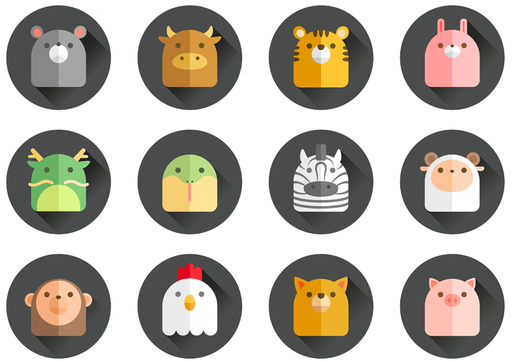
[오늘의 운세] 2025년 01월 16일 목요일 [쥐띠] 36년 한발 물러서서 보면 하늘도 높고 세상도 넓다. 48년 실속은 별로 없는 속 빈 강정. 60년 주저하지 말고 적극적으로 행동. 72년 이익이 없고 가난하다고 순수한 것은 아니다. 84년 좋은 말로 속삭이는 사람을 경계. [소띠] 37년 내 것이 아닌 것에 포기할 줄도 알아야. 49년 자신을 너무 사랑하면 사회생활이 힘들다. 61년 되로 주고 말로 받는 날이니 말조심을. 73년 이만하면 훌륭한 인생이다. 85년 김칫국부터 마시지 말고 앞뒤를 살펴보라. [호랑이띠] 38년 건강이 우선이니 운동을 하고 소식하라. 50년 성실에서 멀어질수록 불편하고 허무함이 밀려온다. 62년 감정을 절제하고 칭찬하라. 74년 집 나간 말이 새 식구를 데려오니 행복이 크다. 86년 성공은 아직 앞에 있다. [토끼띠] 39년 자존감이 지나치면 주변을 힘들게 하니 마음을 겸손하게. 51년 거울은 반드시 혼자 웃지 않는다. 63년 행복한 이웃이 옆에 있어서 좋다. 75년 체면치레로 지갑의 돈을 다 써버린다. 87년 매사가 귀찮고 심드렁한 날. [용띠] 40년 상대는 호의가 계속되면 권리인 줄 착각. 52년 모래 위에 세운 성은 바람 불면 날아간다. 64년 자신을 응원하고 격려하자. 76년 해뜨기 직전이 가장 어둡다. 88년 지금이라도 시작하지 않으니 아무것도 변하지 않는다. [뱀띠] 41년 내가 먼저 믿어야 상대도 설득시킬 수 있는 것. 53년 초심으로 돌아가서 시작. 65년 위기를 기회로 탈바꿈시킬 운이 온다. 77년 선배상사가 길을 터주니 일이 수월하다. 89년 사람이 하는 일이니 실수도 있게 마련인데. [말띠] 42년 참기 힘든 건 잊히는 것. 54년 모심으러 갈 때는 장화를 심어야 한다. 66년 자존심이 밥 먹여주는 것은 아니다. 78년 남녀사이 서두르다 믿는 도끼에 발등 찍힌다. 90년 가는 사람 잡지 말고 오는 사람 막지 말라 했으니. [양띠] 43년 그물을 쳐야 많은 고기를 잡을 수 있다. 55년 여름이 가면 부채는 제 역할을 다한 것. 67년 좋은 일을 행하니 행운이 찾아온다. 79년 방법을 찾아 강물이 바다로 진출하는 날. 91년 낭비 요소를 찾아서 구멍을 메워야 한다. [원숭이띠] 44년 더도 말고 덜도 말고 오늘만 같아라. 56년 양보로 동료와의 의견충돌을 막자. 68년 양보다 질을 따지고 선택하자. 80년 바늘 가는 데 실 가는 격으로 술술 풀림. 92년 오늘의 선택이 내일을 좌우하니 깊이 생각하고 행동해야. [닭띠] 45년 배우자가 나의 고생을 알아주니 마음이 가볍다. 57년 조급함이 일을 그르칠 수 있으니. 69년 부모님 증여를 순리로 풀어가야 할 듯. 81년 시험 운이 백발백중(百發百中)이다. 93년 기다리지 말고 먼저 손을 내밀어 보는 것도. [개띠] 46년 발 없는 말이 천 리를 가니 남 얘기 말자. 58년 맹모삼천지교이니 이사해도 무방하다. 70년 내가 자식의 미래라고 생각. 82년 대기만성(大器晩成)이라 하듯이 세상 이치다. 94년 매매는 호랑이띠와의 거래가 순조롭게 풀린다. [돼지띠] 47년 누구나 외로운 것. 59년 영업실적이 상승. 71년 고칠 수 없는 마음은 버리면 된다. 83년 미꾸라지 한 마리가 온 물을 흐려 놓으니 그 미꾸라지 되지 않도록. 95년 직장에서 미운 사람에게 떡 하나 더 주는 마음으로 양보를 해보라.

2025-01-16 04:00:20 메트로신문 기자
기사사진
Palisade Surpasses First-Generation Success… The Second-Generation with Hybrid and 9-Passenger Models Sparks a 'Storm'

Hyundai Motor has unveiled the second-generation new Palisade after six years. On the 15th, Hyundai Motor launched the premium flagship large SUV, the "All-New Palisade." This new model is the first to feature a hybrid (HEV) system and introduces a 9-passenger version, aiming to appeal to a broader range of consumers beyond the traditional family car segment. The Palisade is a completely redesigned second-generation model after six years. It features: ▲A grand and bold exterior design with a distinctive character, ▲Spacious interior that prioritizes passenger comfort, utilizing the advantages of its over 5-meter length, ▲7-passenger and 9-passenger configurations based on the third-row space, ▲The first-ever application of the next-generation hybrid system, ▲Advanced safety and convenience features to provide an optimal driving experience, offering the luxury expected from a flagship large SUV. The Palisade has been causing a "storm" in the domestic automotive market even before its launch. Pre-orders, which began last month, surpassed 33,000 units on the first day and have now exceeded 45,000 units, proving its popularity in the domestic large SUV market. This performance far exceeds the first-day record of 3,468 units set by the first-generation Palisade in 2018, as well as the 20,506 units achieved in the two-week pre-order period. This shows that consumers have once again validated the product excellence of the first-generation Palisade. The Palisade is powered by two powertrains: a 2.5 turbo gasoline engine and a 2.5 turbo hybrid engine. The 2.5 turbo gasoline engine delivers a maximum output of 281 horsepower, a peak torque of 43.0 kgf·m, and a combined fuel efficiency of 9.7 km/L. The 2.5 turbo hybrid, on the other hand, boasts a system maximum output of 334 horsepower and offers a driving range of over 1,000 km on a single tank of fuel. Compared to the previous model, the new Palisade offers an extended overall length of 65 mm and a height increase of 15 mm, providing more generous headroom and legroom for a more comfortable interior space. The second-row seats feature a forward-tilting walk-in function, while the third-row seats are sliding, maximizing both ease of entry and exit for third-row passengers and enhancing the versatility of the cabin space. Hyundai Motor has set a higher sales target for the Palisade this year, aiming for more than the first-generation sales volume of 52,299 units, thanks to performance improvements in the new model. Lee Chul-min, Head of Domestic Marketing at Hyundai Motor, stated, "We have set our domestic sales target at 58,000 units and, considering the pre-orders, we are confident that it is achievable." He added, "Although the 7-passenger model has received more contracts, with 4 out of every 10 vehicles being the 9-passenger model, the strong demand for the 9-passenger version is having a positive impact on the overall success of the new Palisade." Hyundai Motor will prioritize the launch of the 2.5 turbo gasoline model starting today, and for the hybrid model, it plans to begin deliveries in the second quarter after completing certification procedures. ChatGPT를 사용하여 번역한 기사입니다.

2025-01-15 16:44:33 메트로신문 기자
기사사진
With the growth potential of the Indian shipbuilding industry, K-Shipbuilding is poised to seize order opportunities.

The domestic shipbuilding industry is focusing on strengthening its market position by capitalizing on India's large domestic market and the growth potential of the shipbuilding sector. As India plans to place large-scale ship orders and foster its shipbuilding industry, South Korean shipbuilders are carefully monitoring market trends with an eye on potential partnership opportunities. According to industry sources on the 15th, the size of the Indian shipbuilding industry is expected to grow from $90 million in 2022 to $8.12 billion by 2033. In particular, Clarkson Research, a British shipbuilding and shipping market analysis firm, reported that India plans to place orders for more than 1,000 new ships. Currently, India has a fleet of approximately 1,500 vessels and plans to expand it to 2,500 ships in the future. However, there are currently only 28 shipyards in India, so expanding construction capacity is essential to secure 1,000 new vessels. Additionally, while India relies on shipping for about 95% of its total trade volume, its domestic shipbuilding industry remains vulnerable. As a result, it is reported that India spends approximately 110 trillion won annually on renting foreign vessels. To reduce these costs, there is an analysis suggesting that India needs to be able to build large container ships, very large crude carriers, and car carriers domestically. The Indian government is also making concerted efforts to foster its shipbuilding industry. The government has outlined a roadmap to raise India's shipbuilding capacity, which currently holds less than a 1% share of the global shipbuilding market, to become one of the top five shipbuilding nations by 2047. In particular, it has been reported that Indian government officials have visited the facilities of South Korea's three major shipbuilders (HD Hyundai Heavy Industries, Samsung Heavy Industries, and Hanwha Ocean) and are placing significant emphasis on the potential for technological cooperation. Indian government officials visited the Hanwha Ocean Geoje facility, Samsung Heavy Industries Geoje Shipyard, and HD Hyundai Heavy Industries Ulsan Shipyard at the end of last year. During these visits, they received briefings on shipbuilding capabilities, shipyard operation systems, and eco-friendly ship technologies, leading industry experts to believe that India is considering South Korea as a potential partner. Following the visit of Indian government officials to South Korean shipbuilders, it has also been confirmed that officials from Hanwha Ocean visited local shipyards in India. This has drawn attention to the growing possibility of cooperation between the two countries in the shipbuilding sector. On the 14th, Hindustan Shipyard Limited (HSL) in India posted on the social media platform X, stating that a delegation from Hanwha Ocean visited their shipyard on the 13th. The visit was described as an assessment of potential cooperation for shipbuilding. HSL is located in Visakhapatnam, Andhra Pradesh, in eastern India. As a result, industry experts believe that the two countries are in discussions to explore opportunities for business collaboration in the shipbuilding sector. Some experts argue that the long-standing border disputes between India and China could play a positive role in strengthening cooperation between South Korea and India. Given India's anti-China sentiment, building advanced shipbuilding capabilities through technological cooperation with South Korean shipyards, rather than China, is seen as a crucial strategy for India. An industry insider stated, "Indian government officials visited South Korean shipbuilding facilities with the intention of increasing the number of vessels in operation, seeking support and cooperation." They added, "Domestic shipbuilders are also actively exploring cooperation strategies, considering the large scale of the Indian market." The insider continued, "However, since India is not a country with a developed shipbuilding industry, utilizing its abundant labor force to grow the industry will be a key challenge." They added, "While the potential of the Indian market is clear, it is still too early to expect short-term results. Therefore, ongoing discussions and the exploration of long-term cooperation strategies are necessary." ChatGPT를 사용하여 번역한 기사입니다.

2025-01-15 16:17:12 메트로신문 기자
기사사진
'16 New Models' Audi Korea, Expanding Premium Offerings and Network… "We Will Continue to Grow with New Strategies"

"If last year was about strengthening our foundation, 2025 will be focused on driving growth based on new strategies through enhanced networks and collaboration with dealer partners." Steve Klotz, President of Audi Korea, held a "New Year Media Roundtable" at the Yeongbin Hall of the Shilla Hotel in Seoul on the 13th, where he unveiled the company's strategy for the year. The key strategies for this year include delivering premium value, actively responding to changing customer demands, and adapting to changes in the automotive environment. Audi Korea plans to expand its customers' options by launching a total of 16 new models this year, including the electric vehicle 'The New Audi Q6 e-tron,' the A6 e-tron, and internal combustion engine models like 'The New Audi A5' and 'The New Audi Q5.' This will be the largest number of new car launches ever in global markets, including South Korea. President Klotz stated, "This year, Audi Korea will focus on expanding its network strategy, with the goal of a new leap for the Audi brand, based on a strong partnership with our dealer partners. We will work to ensure that customers can continue to experience the premium brand in a more convenient and accessible way." The model Audi Korea is focusing on this year is the Q6 e-tron, which is the first production model to apply the Premium Platform Electric (PPE) technology jointly developed by Audi and Porsche. It received the highest rating in the Euro NCAP test, the European new car safety evaluation. The Q6 e-tron is equipped with a 100 kWh lithium-ion battery, allowing for a maximum driving range of up to 641 km on a single charge according to the WLTP standard. The vehicle will be delivered to customers starting with an official launch event next month. President Klotz stated, "Despite the challenges in the electric vehicle market last year, the Q4 e-tron has solidified its position as a leader in the premium electric vehicle segment in the Korean market." He added, "We will continue to align with changing customer demands and environmental changes, striving to contribute to the development of sustainable mobility with innovative technologies and products." He further emphasized, "We must strengthen our partnership with dealers and pursue sustainable growth as one Audi team." The New Audi A5 and The New Audi Q5 will be launched as internal combustion engine and plug-in hybrid models. These models are equipped with the newly developed "PPC" (Premium Platform Combustion) platform. The New Audi A5 is a coupe-style sedan that combines the strengths of Audi's representative mid-sized sedans, the A4 and A5. The New Audi Q5, on the other hand, is a completely redesigned version of Audi's signature SUV, the Q5, and features next-generation high-efficiency engines that significantly enhance its output. In particular, Audi Korea plans to expand customer touchpoints by transforming its showrooms into flagship store concepts in the form of city mall showrooms starting this year. As a result, the number of showrooms will increase from the existing 33 to 35, and the number of service centers will also be expanded from 32 to 37. President Klotz stated, "We plan to establish a network where customers can access a service center within 30 minutes in areas with a high concentration of customers, such as Seoul and Gyeonggi." He added, "For routine maintenance and regular inspections, we will operate service stations in a non-face-to-face format, ensuring that customers can receive service 24/7 year-round." Meanwhile, Audi Korea sold only 9,304 units in 2023, a sharp decline of 47.9% compared to the previous year, due to the prolonged global economic downturn and high interest rates. ChatGPT를 사용하여 번역한 기사입니다.

2025-01-15 15:33:27 메트로신문 기자
기사사진
U.S. 'TikTok Ban Law' Sparks Mass Migration of TikTok Refugees… Meta Left Surprised

As the deadline for the potential ban of TikTok in the U.S. approaches, TikTok "refugees" are on the move in search of alternatives. Contrary to expectations that many would migrate to Instagram, owned by Meta, they are instead flocking to apps originating from China, surprising industry insiders. On the 19th, ByteDance and TikTok will reach the 360-day deadline set by the U.S. Congress for the sale of TikTok. In April of last year, the U.S. Congress claimed that TikTok's installed backdoor (malicious code that allows unauthorized access to systems) was illegally collecting personal information of U.S. citizens and transmitting it to the Chinese government, thereby acting as a "spy balloon." As a result, the U.S. Congress has forced TikTok to sell its ownership to an American company in order to continue its operations in the U.S. TikTok and the Chinese government have opposed this, arguing that it is an attempt to counter China and seize valuable companies. Bloomberg reported on the 13th (local time) that Chinese authorities are enforcing TikTok to comply with the U.S. ban law by selling its U.S. business rights. Additionally, as part of discussions on potential cooperation with the next U.S. administration, they are considering transferring TikTok's U.S. operations to Elon Musk, CEO of Tesla. ByteDance has not provided any separate comment on the report. In April, ByteDance filed a motion for a temporary injunction against the enforcement of the TikTok ban law with the U.S. Supreme Court, which is currently pending. The estimated valuation of its parent company, ByteDance, is $268 billion, with TikTok's business valued at around $30 to $50 billion. Amid the political power struggle surrounding TikTok, users of the platform began a large-scale migration to other platforms. President-elect Donald Trump had previously expressed a favorable stance on the matter, stating regarding the sale of TikTok, "No one knows what will happen with TikTok (in the Supreme Court)," and added, "I will make a decision after taking office." Nevertheless, TikTok users are proactively trying to establish a presence on multiple platforms, fearing that access to TikTok in the U.S. may become difficult, and they may lose access to accumulated data and content. TikTok users have particularly focused on the apps "Rednote" from XiaoHongShu (Little Red Book) and ByteDance's app "Lemon8." Rednote, the international version of China's Instagram-like platform XiaoHongShu, ranked first in the Apple App Store downloads as of the afternoon of the 13th, and 8th in the social media category of the Google Play Store. "Lemon8" was the second most downloaded app on the U.S. App Store. U.S. users are migrating to XiaoHongShu instead of Rednote. On the 13th, TikTok refugees posted thousands of posts on XiaoHongShu announcing their sign-up, using the hashtag "#tiktokrefugee." Instagram, which was expected to benefit the most from the TikTok ban law, has seen somewhat stagnation. Unlike XiaoHongShu and Lemon8, which share subculture and content similar to TikTok, Instagram has not been able to meet the expectations of U.S. TikTok users, as its culture differs somewhat from that of the major TikTok users in the U.S. An industry insider in marketing commented, "TikTok users tend to share a subculture rather than the fashion and shopping culture shared by Instagram Reels users," and added, "I expected them to move to YouTube Shorts, but I'm very surprised that they migrated to Chinese apps instead." ChatGPT를 사용하여 번역한 기사입니다.

2025-01-15 15:33:00 메트로신문 기자
기사사진
[김상회의 사계] 을사년 개략

뱀띠의 해! 드디어 을사년 2025년 청사(靑巳) 푸른 뱀의 해가 된다. 물상 적으로는 보리싹이 튼다고 해석되지만 납음으로 보자면 갑진년과 마찬가지로 복등화(覆燈火)에 해당한다. 좀 더 자세히 들여다보면 조심스럽게 키워 가던 불씨에 불이 붙는 형국이다. 복등화가 무엇인가. 엎어진 등잔에 불이 있다는 뜻이니, 처음엔 미약해도 불의 기운이 무르익으면 그다음은 활활 하고 불꽃이 일어날 수밖에 없다. 좋게 풀이하면 어렵게 참고 있다가 드디어 불이 살아난다고 해석되고, 반대로 경거망동하게 되면 오히려 화가 될 수도 있다. 그러니 너도 살고 나도 사는 방향으로 마음을 쓴다면 어려워도 그 끝은 기대할 만하다. 납음오행은 각 음의 특성과 그에 따른 오행의 속성을 연결 지은 개념이다. 생년월일시를 기본으로 운세나 성격을 분석함에 소리의 성격까지 오행으로 분류하여 접목한 데는 우리 선조들의 통찰이 반영된 것이다. 성명학의 기본은 원형이정(元亨利貞)의 수리체계지만 여기에 더하여 이름을 발음할 때 첫머리 소리의 오행까지 맞춘다. 소리 역시 우주의 기운을 반영한다고 본 까닭이다. 뱀띠생들은 기본적으로 음력 1월 7월 10월이 충살(衝殺)이 되거나 형살(刑殺)을 만나게 된다. 이럴 때는 소송이나 언쟁을 조심해야 하며 같은 뱀달인 음력 4월엔 군겁쟁재(群劫爭財)가 들어오므로 형제간의 재산 다툼이나 의견의 차이로 갈등이 있게 될 확률이 높다. 음력 7월은 반합 반형의 달로서 우선은 좋고 나중이 흉하다고 해석되니 보통은 동업자나 친구, 형제간에 분쟁을 조심할 필요가 있다. 더불어 역마 기운이 왕하고 부딪히는 충돌수가 왕하니 교통사고 등에 각별한 주의가 요망된다. 사주는 전체 사주팔자와 대운 세운과의 관계까지 살펴야 하니 그렇다는 것을 참고하시길.

2025-01-15 04:00:08 메트로신문 기자
기사사진
[오늘의 운세] 2025년 01월 15일 수요일

[오늘의 운세] 2025년 01월 15일 수요일 [쥐띠] 36년 여의주를 얻은 격이니 뜻한 바를 달성. 48년 노력한 보답이 주어지니 보람이 있다. 60년 중이 절이 싫으면 떠나던지 남 탓하지 마라. 72년 민망한 일을 당할 수 있으니 언행을 조심. 84년 생각이 많으면 많이 걸어보자. [소띠] 37년 작은 것에 집착하지 말고 멀리 보고 행동. 49년 판단력이 흐려지니 퇴근 후 바로 집으로. 61년 헛된 사랑에 얽매이지 마라. 73년 죽는다는 생각보다는 살아 있는 것에 행복을 갖자. 85년 깊은 물에 고기가 모이는 법. [호랑이띠] 38년 순풍에 돛단배 가듯이 순조로운 하루. 50년 다정도 병이니 지나친 간섭은 줄이도록. 62년 몸에 좋은 보약을 선물 받는다. 74년 돌아갈 수 없어서 어제가 더 그립다. 86년 산토끼 잡으려다 집토끼 놓칠 수 있으니 주의. [토끼띠] 39년 운이 상승하기 시작하니 계획하라. 51년 하룻강아지 범 무서운 줄 모르고 덤비는 격. 63년 꽃이 아름다운 건 잘해야 열흘. 75년 창업은 돌다리도 두들겨 보고 시작. 87년 어느 구름에 비가 들었는지 모르니 매사에 최선. [용띠] 40년 2보 전진을 위해 1보 후퇴는 기쁜 마음으로. 52년 지금까지의 노력이 빛을 발하는 날이다. 64년 되로 주고 말로 받는 날도 있으니 감사. 76년 아무리 천재라도 노력 없이는 어림없다. 88년 작은 먼지가 신경을 거슬린다. [뱀띠] 41년 등잔 밑이 어둡다. 53년 멀리서 귀인이 찾아온다. 65년 준비를 해두니 땅 짚고 헤엄치기. 77년 뛰는 놈 위에 나는 놈이 있으니 좀 더 분발 심을 갖자. 89년 될성부른 나무는 떡잎부터 알아본다는데 그런 자식이 탄생. [말띠] 42년 아랫사람과의 불화가 의심되니 주의. 54년 기회가 주어져도 망설이다가 놓칠 수 있으니 결단이 필요. 66년 평화로운 하루. 78년 말 한마디로 천 냥 빚을 갚으니 신심으로. 90년 일시적인 감정이 상대의 오해를 살 수 있으니. [양띠] 43년 최선의 해결책은 타협일 듯. 55년 이해를 바라지 말고 성실하게 움직여라. 67년 바람이 불어대니 마음이 좌불안석. 79년 말이 씨가 되듯 뜻한 바를 이루게 된다. 91년 새로 시작한 일에 기대가 많으나 실리는 별로 없을 것. [원숭이띠] 44년 골이 깊으면 산도 높은 법이다. 56년 강을 건넜어도 미래를 생각해 배는 소중히 간직. 68년 기대를 많이 한다면 마음고생도 그만큼. 80년 목마른 사람이 우물 파듯 현실적인 문제가 발생. 92년 배우자 탓이 아니라 자신 탓. [닭띠] 45년 길 떠나려는데 폭우가 오니 잠시 휴식을. 57년 어려울수록 마음을 편하게. 69년 못 먹는 감 찌르다가 본인이 다친다. 81년 낭중지추(囊中之錐)로 뛰어난 사람은 항상 돋보인다. 93년 도움을 줬던 사람이 은혜를 갚으러 온다. [개띠] 46년 아침부터 거래가 순조롭다. 58년 현실에 만족하면 후회는 적으나 성과는 크다. 70년 하늘에서 보석비가 내림. 82년 물에 빠지면 지푸라기라도 잡는 법이니 안타까운 현실이 되지 않도록 젊어서 준비. 94년 상부상조하는 것으로. [돼지띠] 47년 마음이 울적해도 웃어보라. 59년 도둑이 제 발 저리는 법. 71년 학수고대하지만 아직은 시기상조. 83년 반려동물을 키우려면 지출도 많아지니 자금계획을 신중히. 95년 사람 일에 완벽(完璧)이 있을 수 없으니 상대를 이해해야만.

2025-01-15 04:00:06 메트로신문 기자
기사사진
"Envisioning Future Daily Life" – CES 2025 Concludes, with Key Highlights Including 'AI Home' and the Emergence of 'Humanoid Robots'

The world's largest consumer electronics and IT exhibition, 'CES 2025,' concluded successfully with around 140,000 attendees. This year, instead of focusing on hardware, AI home technologies integrated into daily life became the central theme, with humanoid robots emerging as a new focal point, showcasing more realistic artificial intelligence (AI) advancements. According to the Consumer Technology Association (CTA), the organizer of CES, more than 141,000 people attended CES 2025, held in Las Vegas from January 7 to 10. This marks an increase of about 5% compared to last year's attendance of 135,000. The United States had the largest representation with over 1,500 participants, followed by China with around 1,300 and South Korea with 1,000. For the first time, South Korea had more than 1,000 companies, including major corporations like Samsung, Hyundai, SK, LG, as well as startups, participating in the event. ◆ 'Humanoid Robots' Emerging as a New Growth Business At this year's CES, AI has firmly established itself as an essential element in daily life, spanning across home appliances, mobility, healthcare, and more. In particular, AI-powered 'robots' were introduced as a key new business poised to dominate the market. Jensen Huang, CEO of NVIDIA, highlighted AI robots as a growing industry during his keynote speech, with South Korean companies also announcing their participation one after another. At this event, South Korea's two major electronics companies, Samsung Electronics and LG Electronics, officially announced the release of robot assistants under the theme of hyper-personalization, marking the beginning of humanoid robots. Samsung Electronics surprised attendees by announcing plans to launch its AI assistant robot, "Bolli," in the first half of the year. It is expected to be released in South Korea and the United States around May or June, although the price has not yet been set. Bolli will control Internet of Things (IoT) devices, monitor children and pets, and perform tasks such as acting as a home training mate or serving as an auxiliary screen for remote work, essentially taking on the role of a household assistant. Recently, Samsung Electronics acquired a majority stake in Rainbow Robotics and established the Future Robotics Promotion Team under the leadership of Vice Chairman Han Jong-hee. Rainbow Robotics, founded in 2011 by the KAIST HUBO Lab research team, developed South Korea's first bipedal robot, "HUBO." Samsung Electronics plans to accelerate the development of intelligent advanced humanoid robots by integrating its AI and software technologies with Rainbow Robotics' robotic expertise. LG Electronics also unveiled plans for its humanoid business, with the goal of achieving "liberation from household chores." LG Electronics plans to release its mobile AI home hub product, "Q9," and a software development kit (SDK) to developers in February or March. Additionally, the company is preparing technologies, including humanoid robots, as part of its ongoing research and development (R&D) efforts and is also investing in the robotics business. Last March, LG made a $60 million (approximately 80 billion won) investment in the AI-based autonomous service robot startup Bear Robotics, acquiring a stake in the company. ◆ Advanced AI Home Appliances to Future Mobility Unveiled Both companies unveiled increasingly advanced AI-powered home appliances, showcasing a hyper-personalized smart home experience. Samsung Electronics presented a "Home AI" based on SmartThings, with the theme of "AI for All," offering a personalized home for families. The exhibition featured appliances such as the "Bespoke AI Family Hub," which automatically recognizes ingredients inside the refrigerator and creates a food list, and the "Bespoke AI Steam," which takes care of floor cleaning according to the user's return time. The AI voice assistant "Bixby" integrated into Samsung's home appliances has also been upgraded. It now enables natural and continuous conversations, allowing users to control multiple devices with a single command. Bixby can recognize the voices of family members and provide personalized schedules. It can also identify ingredients nearing their expiration date in the refrigerator and suggest recipes based on available food. Samsung Electronics prioritized security in implementing Home AI. Samsung Knox Matrix, a blockchain-based security technology, allows connected devices to mutually check their security status. If external threats are detected, the affected device's connection is severed, and the system notifies the user, enabling immediate action to be taken. LG Electronics showcased a personalized experience through "empathy intelligence" in various environments such as homes, offices, vehicles, and hobby spaces. In LG Electronics' AI Home Zone, the "LG ThinQ ON" equipped with generative AI and on-device AI-based hub products were showcased. These products use sensors installed throughout the home to detect customers' behaviors and surrounding environments in real-time, optimally controlling IoT devices. For instance, the system can analyze the user's heart rate and breathing patterns to suggest warm water instead of cold, or automatically adjust the home's temperature and humidity. Additionally, LG Electronics showcased an impressive large-scale media art installation using the 77-inch wireless and transparent OLED TV, "LG Signature OLED T." This technology combines wireless transmission and transparent display to maximize space utilization, offering an innovative entertainment experience. In the mobility sector, innovative technologies integrating autonomous driving and electric power stood out. LG Electronics introduced the concept of a "mobile customized space" in the mobility sector. In the Vision AI-based In-Cabin Sensing solution experience zone, attendees could directly experience technology that detects the driver's and the vehicle's internal condition, helping to prevent traffic accidents. This solution analyzes the driver's gaze, facial expressions, and heart rate in real-time to support safety features such as drowsiness detection and seatbelt use detection. ChatGPT를 사용하여 번역한 기사입니다.

2025-01-14 16:36:58 메트로신문 기자
기사사진
The wire and cable industry is experiencing a surge in orders due to increased investments in power grids, strengthening its presence in the U.S. and Europe.

The wire and cable industry, which achieved consecutive order wins last year, is expected to continue its strong performance this year. LS Cable & System, Daehan Electric Wire, and others plan to strengthen their presence in advanced markets such as the U.S. and Europe, based on the growing demand driven by electrification. Notably, the increase in demand for subsea cables due to the transition to renewable energy is also highlighted as a key factor contributing to their strong performance. According to industry sources on the 14th, global subsea cable demand is expected to increase from 6.4 trillion won in 2022 to 29.5 trillion won by 2029. This is attributed to the steady rise in global investments in new power infrastructure. According to LS Cable & System's analysis of the U.S. subsea cable supply status, local demand for subsea cables is expected to reach 1,160 km by 2030, while the supply is predicted to fall short at less than 750 km. As a result, the industry is optimistic that it can capitalize on the opportunity in the U.S., where demand is high but the local supply chain is lacking. Moreover, the willingness of President-elect Donald Trump to strengthen domestic manufacturing and the AI industry is also seen as a positive factor for the wire and cable industry. The expansion of AI is expected to lead to increased power consumption in data centers, which, in turn, is anticipated to drive the demand for power grid infrastructure. In October 2024, the U.S. Department of Energy (DOE) announced that it would invest an additional $2 billion (approximately 2.6 trillion won) into 38 projects across 42 states to protect the power grid from increasing weather-related threats and expand transmission capabilities. Additionally, the DOE revealed plans for a new $1.5 billion (approximately 2.23 trillion won) investment in transmission and distribution networks. As a result, the wire and cable industry is steadily building up performance by securing large-scale projects. LS Cable & System's order backlog reached 5.7073 trillion won as of the third quarter, marking an approximately 31% increase compared to the same period last year. In December 2024, the company signed a contract for subsea cables worth 4.4 trillion won in the U.S. and also secured a contract for an offshore wind farm project worth approximately 9.037 trillion won, which was tendered by the Dutch utility company TenneT. Daehan Electric Wire is also increasing its order intake. As of the third quarter, Daehan Electric Wire's order backlog reached 2.3258 trillion won, marking a 43% increase compared to the same period last year. On the 10th, Daehan Electric Wire announced that it would supply a 400 kV (kilovolt) power grid for an aging power grid replacement project in Eastern England, led by global infrastructure group Valpore BT. The contract is worth approximately 1 trillion won. With European countries, including the UK, expanding investments in power infrastructure to meet carbon neutrality goals, Daehan Electric Wire aims to secure continuous business opportunities. Some are expressing concerns that the supply of raw materials may struggle to keep up with demand. However, industry sources have stated that they are taking stable measures to secure raw materials, and therefore, there is no need to worry about a shortage of materials. An industry insider stated, "With the expansion of renewable energy generation, electricity demand is increasing, and the industry is optimistic about the outlook for the fourth quarter." They added, "Raw materials such as copper have already been secured for several months in advance, so even with a surge in demand, there is no expected difficulty in securing raw material supplies." ChatGPT를 사용하여 번역한 기사입니다.

2025-01-14 15:58:20 메트로신문 기자
기사사진
U.S. Department of Commerce's Export Controls on AI Chips for Adversarial Countries… Controversy Over 'Excessive Regulation' and 'China's Technological Self-Sufficiency'

The United States has confirmed and announced plans to expand export restrictions on AI semiconductors, which are essential for the development and operation of artificial intelligence (AI), to the global market. While full access to AI semiconductors will be allowed for allied nations, major adversaries will face restrictions in an effort to hinder their technological development. According to industry sources and foreign media on the 14th, the U.S. Department of Commerce announced on the 13th (local time) that it has strengthened export controls on AI semiconductors and revised the Export Administration Regulations (EAR) to block circumvention of exports. A 120-day public comment period has begun. The regulation is expected to be fully implemented during the second term of the Trump administration. The EAR divides countries worldwide into three categories based on their access to advanced AI semiconductors. South Korea is classified as a Category 1 country, which includes 18 nations that are not subject to these regulations, so it is not expected to be significantly affected. Category 2 countries, which number around 120, can purchase AI semiconductors based on national quotas. Category 3 countries, including Russia, China, and North Korea, totaling 22 countries, must obtain approval from the U.S. Department of Commerce. These countries, which are under weapons embargoes, are subject to a presumption of denial when applying for licenses. The U.S. government's implementation of the EAR measures is analyzed as a reflection of its independent national security perspective. By preventing adversarial nations, such as Russia and China, from accessing advanced AI semiconductor chips and models, the U.S. aims to block them from securing technological competitiveness. South Korea, as a Category 1 country, is largely exempt from most of the regulations and is not expected to be significantly affected. However, even South Korean companies could be subject to regulations if their headquarters are located in a Category 3 country. Although the expected impact on South Korean companies is minimal, they are closely monitoring the situation. Companies like Samsung Electronics and SK Hynix, which operate semiconductor production facilities in China, are not immediately affected because their headquarters are in South Korea. However, since the EAR not only controls the export and import of AI semiconductors but also imposes restrictions on data center construction regardless of the category, and includes advanced AI models in the export controls, there is a possibility that they may still be impacted. Countries like South Korea, which are classified as Category 1, are exempt from these export controls, but Category 2 countries are subject to them. Furthermore, with China being designated as a Category 3 country, there is concern that South Korea's potential market in China could face long-term impacts. Industry experts explain that this could result in a loss of some market demand, while also accelerating China's technological self-sufficiency. An industry insider stated, "In the medium to long term, the country that will seek to secure the most AI semiconductors is inevitably China," adding, "There are concerns that by cornering China, we may actually accelerate its semiconductor development." Experts predict that China is likely to grow quickly enough this year to release HBM3. Global IT companies are also strongly opposing this measure, arguing that it is excessive for a single government to be so heavily involved in export and import controls. NVIDIA immediately responded with opposition, and Ned Finkel, the company's Vice President of Public Affairs, issued a statement. NVIDIA pointed out that "this measure risks wasting the technological advantages the U.S. has gained with difficulty by manipulating market outcomes and suppressing competition." They also criticized, saying, "The U.S. wins by fostering innovation and competition, and by sharing technology with the world, not by retreating behind the wall of excessive government intervention." Ken Glynn, Vice President of Oracle, criticized the move on his blog, stating that it would be "the most destructive regulation ever recorded for the U.S. tech industry." ChatGPT를 사용하여 번역한 기사입니다.

2025-01-14 15:47:13 메트로신문 기자
기사사진
[오늘의 운세] 2025년 01월 14일 화요일

[오늘의 운세] 2025년 01월 14일 화요일 [쥐띠] 36년 주머니 속 송곳처럼 창의력이 빛을 발하는 날이다. 48년 어항 속 물고기처럼 변화가 없다. 60년 진실은 밝히려 들수록 때가 묻는다. 72년 까마귀 날자 배 떨어지니 각자 소지품 주의. 84년 길고 짧은 것은 대봐야 안다. [소띠] 37년 우물에서 숭늉 찾지 말고 순서대로. 49년 가랑비에 옷 젖는 줄 모르고 지출을 한다. 61년 오늘 걸어야 내일 뛰지 않는다. 73년 슬픔도 곧 지나가거늘. 85년 동시효빈(東施效?)이라 흉내만 낸다고 다 미인이 아니다. [호랑이띠] 38년 재혼을 한 지 오래 지나도 꾸어다 놓은 보릿자루 신세. 50년 식구가 많으니 돈 문제로 근심도 많이 생긴다. 62년 최선의 리더십은 솔선수범이다. 74년 말보다 행동으로 시작. 86년 부부간에도 배려와 존중이 필요하다. [토끼띠] 39년 좋은 일은 많은 사람에게 알려라. 51년 지방으로 가는 이사는 지인의 조언을 수용하는 게 좋다. 63년 죽은 나무에 물을 주는 것은 시간 낭비. 75년 나는 바담 풍해도 너는 바람 풍하고 말해보라. 87년 꿩 대신 닭이다. [용띠] 40년 동서남북 어느 방향으로 떠나도 거칠 것이 없다. 52년 낮말은 새가 듣고 밤말은 쥐가 들으니 주의. 64년 큰 둑도 작은 구멍으로 무너지니 조심. 76년 낫 놓고 기역 자도 모르는가. 88년 건강을 위해 등산을 해보는 것도. [뱀띠] 41년 새로운 인연을 만나니 근심이 더 쌓인다. 53년 뜻은 원대하나 현실은 만만하지 않다. 65년 신용은 만인이 걸어가야 할 지표일 것. 77년 한번 레일을 벗어나면 내 코가 석 자가 된다. 89년 종일 고단하나 재물은 들어온다. [말띠] 42년 교토삼굴(狡兎三窟)이니 닥칠 위기를 미리 준비. 54년 포기하지 않는다면 해내게 된다. 66년 엉켜있던 실타래가 풀린다. 78년 누워서 떡 먹는다는 것이 쉽지만은 않다. 90년 물건은 새것이 좋고 사람은 옛사람이 좋다 했는데. [양띠] 42년 조상님의 유산이 알아보지 못한 보배 화씨지벽(和氏之壁)이다. 54년 배우자에게 눈 가리고 아옹하지 마라. 66년 운명에 편승하는 것도 운의 흐름. 78년 시댁 흉보는 것은 누워서 침 뱉기. 90년 거울은 혼자 웃지 않으니 살피자. [원숭이띠] 44년 인생은 새옹지마이다. 56년 욕심이 지나치니 작은 성과는 눈에 안 들어온다. 68년 지금부터 노후를 준비하자. 80년 달걀로 바위 치기보다는 하나씩 일구어 나가도록. 92년 건강을 최우선으로 생각하고 먹는 것에 신경 쓰자. [닭띠] 45년 닭 잡아먹고 오리발 내미는 인생사. 57년 무엇이든 포기하지 않으면 얻게 된다. 69년 가진 돈을 점검하고 지출을. 81년 성공 뒤에는 다듬고 연마하는 노력이 동반. 93년 새로운 사업은 달면 삼키고 쓰면 내뱉는 결과를 낳는다. [개띠] 46년 물이 너무 맑으면 고기가 살지 못한다. 58년 자신의 건강과 안부를 챙겨라. 70년 익숙한 일도 신중하게 대하라. 82년 불평하다 보면 닭 쫓던 개 지붕 쳐다보는 상황이 된다. 94년 망해버린 나라의 옥새를 끌어안고 있는 형국. [돼지띠] 47년 반려 아가를 키우려면 정성과 돈의 지출이 늘어나니. 59년 콩 심은 데 콩 나고 팥 심은 데 팥 난다. 71년 원하던 것을 손에 넣는다. 83년 금강산도 식후경이니 도시락은 싸가도록. 95년 이성으로 상사병(相思病)이 생길 수 있다.

2025-01-14 04:00:13 메트로신문 기자